Plywood, OSB or MDF: Which Sheet Material Do You Need?
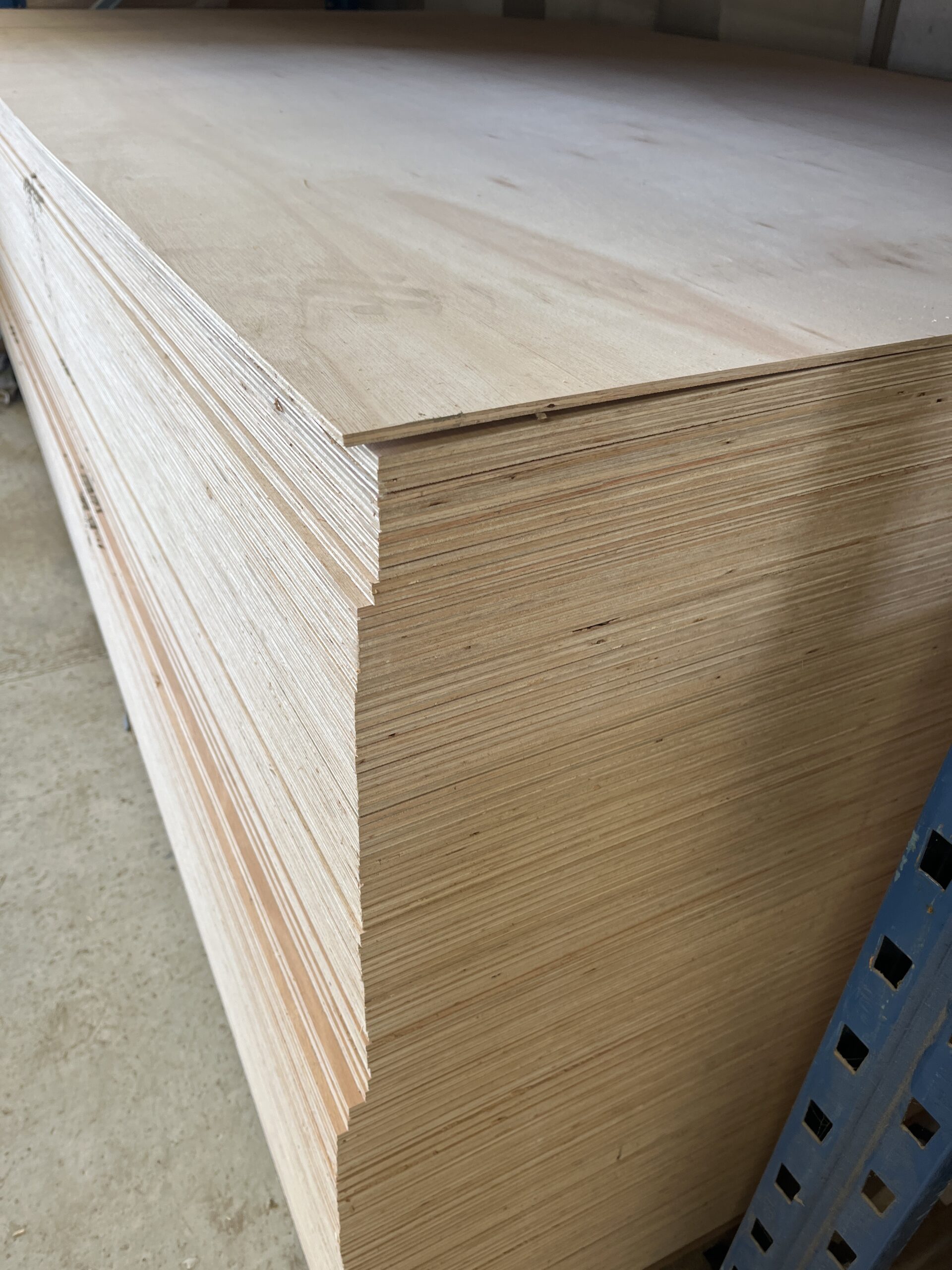
Three of the most common material types offered by timber merchants are plywood, OSB and MDF. And at first glance, these materials can seem to be extremely similar. In fact, they’re often displayed side by side at a timber merchant!
But, each of these materials is precisely designed, to fulfill their own specific requirements and use cases.
As a result, if you choose the wrong sheet material for your project, this can result in a substandard finish, avoidable faults, structural flaws and unnecessary extra costs.
So, it’s key that you select the right material for the task at hand.
In this article, Planet Timber’s expert team have shared their handy guide to choosing between Plywood, OSB or MDF for your project. This includes a detailed summary of the strengths and limitations for each material.
Plywood
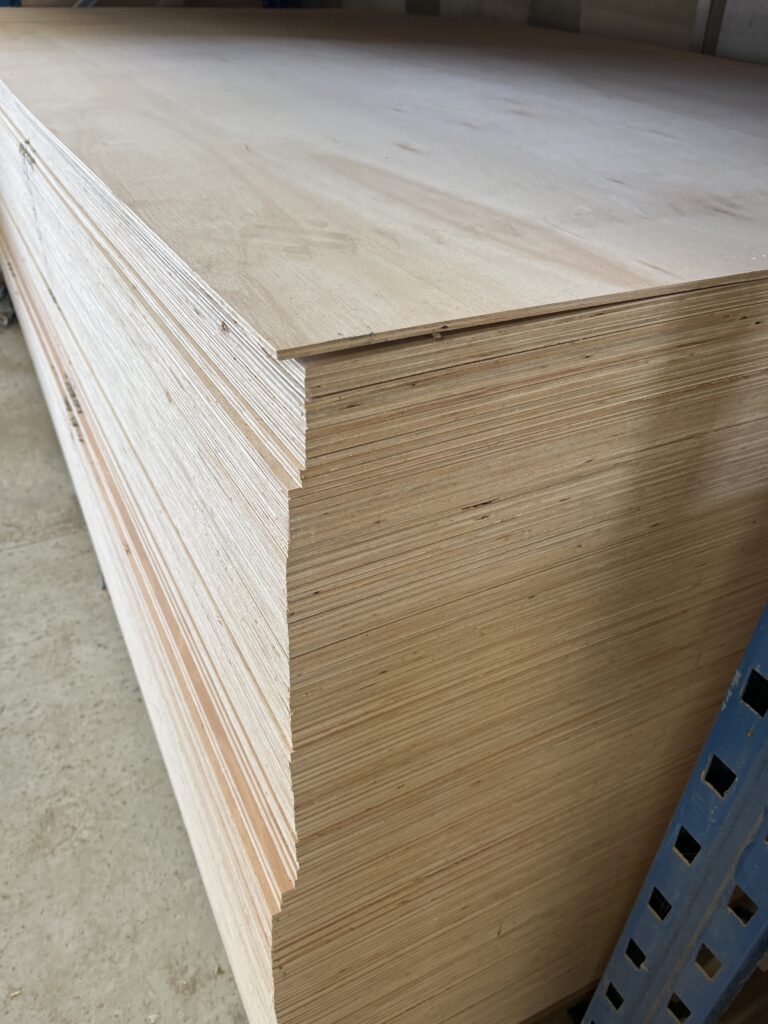
Plywood is made by bonding multiple thin layers (aka veneers) of timber together. These are positioned so that the grain of each layer runs in opposite directions.
By designing the material cross-laminated, Plywood boasts excellent strength and durability, giving it fantastic versatility.
Plywood can be used across a wide variety of projects, including:
- Structural flooring
- Wall panelling
- Furniture and joinery
- Roofing
- External building projects (for certain grades)
You can also buy Plywood in specialist moisture-resistant varieties, and even exterior grades. This means that specialist Plywoods can be suitable for structural applications, external applications and other projects where high strength and moisture resistance are needed.
While Plywood is generally a more expensive timber sheet material, it is worth the investment if strength and durability are essential for the project.
OSB3

OSB stands for Oriented Strand Board. This material is made by compressing layers of timber strands together with waterproof resin, under high pressures.
OSB3 is the grade of OSB that is most commonly used in construction, because it is suitable for use in conditions prone to humidity.
Alongside its high strength, OSB3 also comes at a very affordable price point.
This material is commonly used for:
- Roof decking
- Floor decking
- Wall sheathing
- Timber frame construction
- Site hoarding
- Other large-scale construction projects (thanks to its affordability)
However, while it is able to withstand some humidity, OSB3 isn’t suitable for projects where it would be permanently exposed to wet weather or damp conditions.
MDF
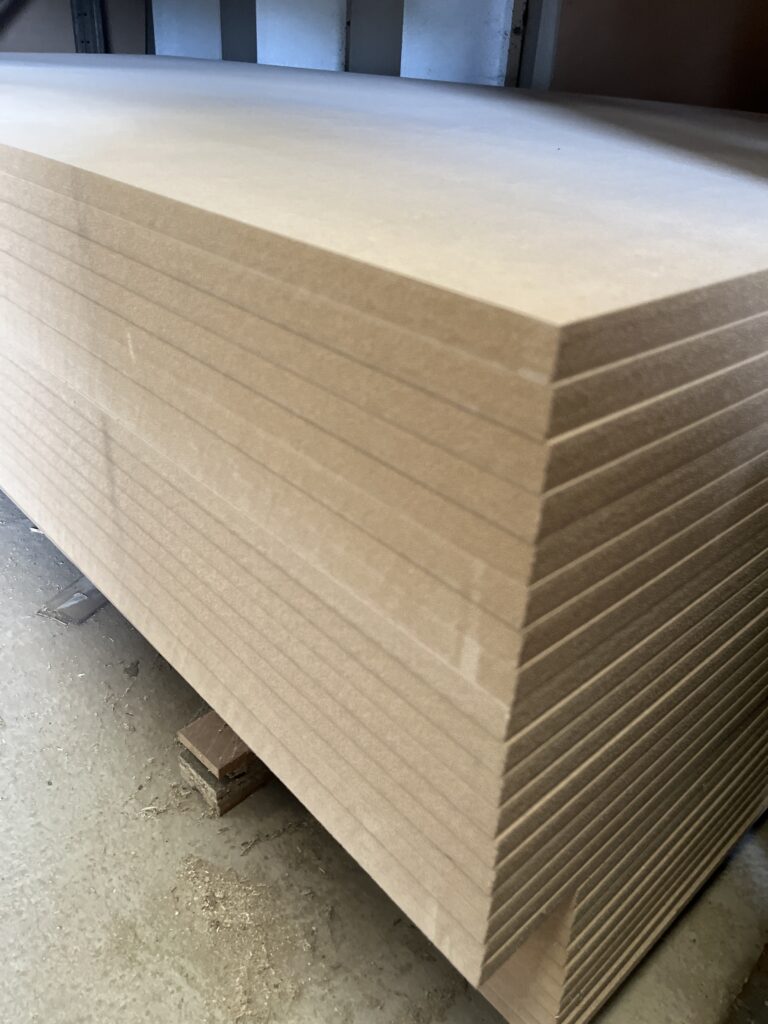
MDF stands for Medium Density Fibreboard. This is manufactured by bonding fine wood fibres together with resin. This creates a strong, smooth and dense timber board.
Unlike plywood and OSB, MDF boards don’t have a visible grain. Their surface is entirely smooth, meaning they’re a great choice for projects where the surface is going to be painted. MFD is also easy to cut, with smooth clean lines.
As a result, MDF commonly features in:
- Cabinets and other furniture
- Shelves
- Internal doors
- Decorative panelling
- Skirting boards
- Architraves
However, MDF does not have great resistance to moisture, and can be prone to swelling. As a result, it should only be used in projects that will be located in dry indoor rooms. (Moisture-resistant MDF is also available for use in kitchens and bathrooms).
Finding the right sheet material for your project
To summarise:
- For projects where strength and durability are key, we’d recommend plywood
- If you’re looking for a strong material, but want to keep costs down, OSB3 is a great choice
- For painted furnishings or timber finishings, go for MDF
At Planet Timber, we are professional timber merchants, supplying an extensive range of premium quality timber sheet material.
We have products to suit everything from trade professionals to DIY customers alike.
So, if you’re looking for the perfect material to suit your upcoming project, our friendly team are on hand to help. To receive tailored guidance on quantities or grades, you can either chat to us in store, or get in touch.
Other Recent Posts

Composite vs timber: what’s best for fencing?
Modern fencing solutions are designed to achieve a long lifespan, remaining sleek and polished for many years to come. Composite and timber are the two most popular materials for fencing systems. While timber is the traditional choice – having featured in countless fences across the decades – composite fencing is an equally popular material, known […]
Read More… from Composite vs timber: what’s best for fencing?

How timber cladding adds a rustic feel to a home
Timber cladding is an extremely popular investment amongst property owners across the country. Enjoying an architectural resurgence, timber cladding allows you to quickly and affordably create a charming aesthetic for your property, creating an effect which is both modern and natural. Plus, cladding is an extremely versatile solution. It can be added to a building’s […]
Read More… from How timber cladding adds a rustic feel to a home

How to Build Garden Steps with Timber Sleepers
Timber sleepers are increasingly being used in garden renovation projects, as they are extremely versatile – offering a huge range of different use cases – while also being super affordable, and a great eco-conscious choice. So, if you’re thinking about using timber sleepers in your garden, keep reading! Below, we’ve used this article to provide […]
Read More… from How to Build Garden Steps with Timber Sleepers
Featured Range


We are always ready to help you and answer your questions
Business Hours
Monday – Friday: 8am – 4.30pm
Saturday: 8am – 12.00pm
Sunday: Closed